
Category: Pet Owners

1 (header)

Why Is My Dog Limping on a Back Leg? What It Means When There’s No Pain 

Seeing your dog favor a leg is alarming, especially when you can’t pinpoint why. Is it a strain that’ll sort itself out, or something that needs a vet visit today? This guide will help you pinpoint what you’re dealing with, and whether the absence of obvious pain is actually a reason to feel reassured. 

Here’s what most owners don’t realize: a dog limping on a back leg without showing pain doesn’t automatically mean it’s minor. In some cases, it can point to something more serious happening beneath the surface, and catching it early genuinely changes outcomes. 

Limping With No Obvious Pain: Why That Doesn’t Mean “No Big Deal” 

It’s natural to assume that no yelping, no wincing, no obvious discomfort means the injury is mild. But pain isn’t the only signal a limp can send. 

Some causes of back leg limping are neurological rather than orthopedic, meaning the issue isn’t with the muscle, joint, or bone itself, but with the nerve signals controlling that leg. Conditions like intervertebral disc disease (IVDD) can cause weakness, dragging, knuckling over on the paw, or an uncoordinated gait, often with little to no visible pain response, especially in the early stages. 

That’s one of the trickiest parts of a neurological limp: the absence of pain can delay a trip to the vet while the underlying problem continues to progress. 

Common Causes of a Limping Back Leg in Dogs 

Back leg limping generally falls into two categories, and knowing which one you’re looking at matters. 

Musculoskeletal causes (usually involve visible discomfort): 

  • Arthritis, especially in older dogs, which can cause stiffness and reluctance to move after rest 
  • Soft tissue injury or sprain from overexertion or a bad landing 
  • Luxating patella, a kneecap that slips out of place, common in smaller breeds; dogs often hop briefly, then resume walking normally as it pops back into position 

Neurological causes (may involve little or no visible pain): 

  • Degenerative myelopathy, a progressive, non-painful spinal cord disease seen most often in older large-breed dogs, characterized by gradual hind limb weakness and loss of coordination 
  • IVDD, covered in more detail below 

If your dog’s limp comes with dragging, knuckling, or general weakness rather than obvious wincing, a neurological cause is worth taking seriously. 

Owner applying the Assisi Loop targeted PEMF therapy device to a small dog

IVDD: A Closer Look 

Intervertebral disc disease happens when the cushioning discs between a dog’s vertebrae bulge or rupture, putting pressure on the spinal cord, a condition the American Veterinary Medical Association’s clinical journal identifies as one of the most common spinal disorders in dogs. Depending on where along the spine it happens and how severe the compression is, symptoms can range from mild wobbliness to full hind-leg paralysis. 

Chondrodystrophic breeds, including dachshunds, corgis, and French bulldogs, are especially prone to IVDD, often showing signs between three and six years of age, according to Cornell University College of Veterinary Medicine. Larger breeds can develop a slower-progressing form later in life. 

Early recognition genuinely changes outcomes here. Dogs treated before significant nerve damage sets in tend to have far better recovery odds than those diagnosed after the condition has progressed. 

When to See a Vet Right Away 

Some signs mean this isn’t a “wait and see” situation. Contact your vet immediately if you notice: 

  • Sudden onset or rapid worsening of weakness or limping 
  • Dragging a back paw or knuckling over while walking 
  • Loss of coordination in the back legs 
  • Loss of bladder or bowel control 
  • Any sign of loss of deep pain sensation (your dog doesn’t react to a firm pinch on the affected paw) 

That last one is a true emergency. Research published via the National Institutes of Health shows loss of deep pain perception is one of the clearest negative prognostic indicators after spinal cord injury, and outcomes are significantly better when treatment begins promptly. 

If you’re looking for more guidance on what to watch for and how to support your dog through recovery, the Assisi® pet parents resource page is a good place to start. 

Supporting Recovery and Mobility with the Assisi Loop® Device 

Once your vet has diagnosed the cause of your dog’s limping, recovery support becomes part of the plan, especially for dogs managing IVDD, arthritis, or post-injury mobility issues. 

The Assisi Loop® targeted pulsed electromagnetic field (tPEMF™) therapy device is non-invasive and drug-free, and can be used alongside vet-directed care to support your dog’s recovery and comfort. It’s not a replacement for veterinary treatment, but many owners use it as part of a broader recovery plan their vet has laid out, whether that’s post-surgical recovery, managing chronic joint pain, or supporting a dog through IVDD rehabilitation. 

For dogs recovering from IVDD specifically, the road can be gradual, with good days and setbacks along the way. Many owners find that consistent, at-home support makes a meaningful difference alongside their vet’s treatment plan, without the stress or cost of repeated clinic visits. 

Goku was diagnosed with IVDD, a spinal condition that can turn simple movements like walking into a real challenge. His owner turned to Assisi Loop® therapy as part of his recovery plan. 

“I first want to thank the Zomedica/Assisi team for helping Goku. The Assisi Loop device truly changed his life. I know IVDD can have its ups and downs, but Assisi Loop therapy became one of the biggest parts of his recovery. Today, Goku is back to walking, running, and enjoying life again.” 

— Camilo Londono 

Because IVDD can affect any point along the spine rather than a single localized area, the Assisi Loop Lounge® bed may be a good alternative for dogs with spinal conditions. Its larger form factor is designed for whole-body treatment coverage, which makes it a particularly good fit for IVDD cases where the impact isn’t limited to one spot. 

Talk to your vet about whether the Assisi Loop device makes sense as part of your dog’s specific treatment plan. 

FAQ 

Why is my dog limping on his back leg but not in pain? 

Not all limping causes obvious pain responses. Neurological conditions like IVDD can cause weakness, dragging, or an abnormal gait without the yelping or wincing you’d expect from a sprain or orthopedic injury. If your dog is limping without apparent pain, it’s worth a vet visit rather than a wait-and-see approach, since neurological causes can progress quickly. 

Why is my dog dragging their back leg with no pain? 

Dragging a back leg without an obvious pain reaction is a common sign of nerve involvement rather than a muscle or joint issue. According to Cornell University College of Veterinary Medicine, IVDD is one of the most common causes and can present with minimal pain in early stages. This warrants prompt veterinary attention. 

French bulldog lying on a bed next to the Assisi Loop Lounge PEMF therapy device

Why is my dog limping but not crying? 

Dogs often mask pain instinctively, and neurological conditions don’t always register as pain the way orthopedic injuries do. A dog can have significant spinal cord involvement and show no distress signals beyond a change in gait or weakness. 

When should I worry about my dog limping? 

Worry immediately if the limping came on suddenly, is worsening, or is paired with dragging, loss of coordination, or loss of bladder or bowel control. These are potential signs of a neurological emergency. Limping that’s mild and stable after a known exertion is a lower-urgency concern, but any limp that doesn’t resolve within 24 to 48 hours deserves a call to your vet. 

The Bottom Line 

A limping back leg can mean a lot of different things, and the presence or absence of pain isn’t always the deciding factor in how serious it is. If you’re noticing weakness, dragging, or an unsteady gait in your dog’s back legs, talk to your vet. Visit the Assisi® pet parents resource page to learn more about whether the Assisi Loop device might be a useful part of your dog’s recovery plan. 


© 2026 Zomedica Inc. All rights reserved. Assisi Loop and Assisi Loop Lounge are registered trademarks of Zomedica Inc. 

dog on Assisi Loop Lounge in car

Why Targeted PEMF Therapy is the Superior Choice for Your Pet’s Healing Journey

Based on the continuing education webinar by Steve Dale, CABC* 

As a devoted pet parent, you want nothing but the best for your furry family member, especially when they’re dealing with pain, inflammation, or recovering from surgery. You may have heard about electromagnetic therapies for pets and wondered about the difference between PEMF and tPEMF treatments. The answer could make all the difference in your pet’s comfort and recovery speed. 

Understanding the Science: PEMF vs. tPEMF

Traditional PEMF (Pulsed Electromagnetic Field) therapy has been around for decades, using electromagnetic fields to stimulate healing in tissues. While PEMF devices can provide benefits, they typically use generic waveforms that aren’t specifically designed to target particular biological processes. 

Targeted PEMF (tPEMF™) therapy, on the other hand, represents a revolutionary advancement in electromagnetic healing. Unlike traditional PEMF, tPEMF devices use waveforms that are specifically engineered to deliver energy precisely where it’s needed and modulate specific biological cascades in your pet’s body. 

The Game-Changing Difference: Targeting the Nitric Oxide Pathway

Here’s where tPEMF therapy truly shines and why it’s becoming the gold standard for veterinary electromagnetic therapy: 

tPEMF devices are specifically configured to target the nitric oxide (NO) signaling pathway—100% of its dose enhances NO signaling, with no extraneous side effects. No other PEMF signal has been purposefully configured in this manner. Nitric oxide is an important homeostasis signaling molecule that reduces pain, edema, and inflammation by reducing programmed cell death, promoting blood vessel dilation, and enhancing circulation. 

The research speaks volumes about tPEMF’s performance. In human studies comparing tPEMF to traditional PEMF devices, patients using generic PEMF devices needed to wear them for 12 hours per day for four weeks to achieve only 25% less pain. In contrast, patients using tPEMF devices only needed 15-minute treatments twice daily and experienced an average 38% reduction in pain. 

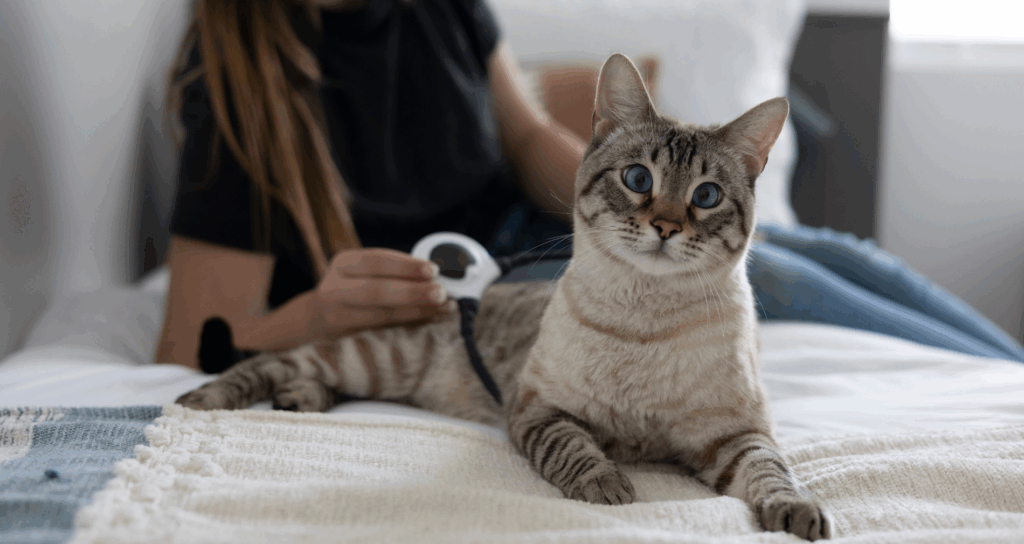
cat getting Assisi Loop therapy session

Why the Assisi LOOP® and LOOP® Lounge Products Lead the Pack

When it comes to tPEMF therapy for pets, the Assisi® suite of targeted pulsed electromagnetic field (tPEMF) devices provide innovative solutions to help pets heal faster, feel better, and live happier lives. 

The Assisi LOOP® device delivers a clinically effective therapeutic signal to damaged tissue positioned within a barrel-shaped treatment zone. The 20 cm Assisi LOOP device provides an effective treatment zone extending 25 cm above and below the applicator, perfect for treating larger areas like hips, heads, and limbs. 

Key Benefits: 

  • Clinically Proven: A study on the effect of tPEMF therapy had statistically significant differences in incisional pain levels, lower inflammatory biomarkers, and better recovery of proprioception compared to control groups.
  • Rapid Treatment: Just 15-minute sessions, 2-3 times daily 
  • Portable & Easy: Weighs about two ounces with a 7.5-inch applicator, offering 150 treatments with each device 

The rechargeable Assisi LOOP Lounge® pet bed offers patients full-body relief from pain and inflammation, with three pad sizes to choose from for cats and dogs of all sizes. Think of it as a healing bed that provides whole-body tPEMF therapy while your pet simply rests comfortably. 

What Conditions Can Benefit from Targeted PEMF?

tPEMF therapy has shown results for: 

The Safety Factor: Why tPEMF is the Smart Choice

Assisi products are classified as non-pharmaceutical, anti-inflammatory devices (NPAIDs) with no side effects or potential drug interactions.  

This means: 

  • No drug interactions with your pet’s current medications 
  • Safe for all ages, including senior pets 
  • No risk of overdose or adverse reactions 
  • Can be used alongside other treatments 

Cost-Effective Long-Term Care

While traditional treatments often require ongoing medication costs and repeated vet visits, tPEMF devices can help patients heal faster in fewer treatments, resulting in less pain and inflammation overall. The Assisi devices are a one-time investment that provides 150 treatments (Assisi LOOP device) or rechargeable use (Assisi LOOP Lounge pet bed), making them incredibly cost-effective for long-term pet care. 

Making the Right Choice for Your Pet

When comparing therapeutic options, the evidence is clear: tPEMF therapy offers superior healing benefits through precision targeting of the nitric oxide pathway, clinically proven results, and an outstanding safety profile. With 15-minute treatments and at-home convenience, tPEMF represents a new standard in pet care. 

woman petting husky dog on floor

Taking the Next Step

Visit assisi.zomedicadev.com to purchase an Assisi Loop or Loop Lounge products and give your pet the healing and pain relief it needs. Explore the complete range of tPEMF solutions at assisi.zomedicadev.com to learn how this breakthrough technology can help your pet live a more comfortable, active life. 

Your pet deserves the precision, safety, and proven effectiveness of tPEMF therapy—because your best friend deserves the very best care. 

© 2025 Zomedica Inc. All rights reserved. Assisi, Assisi LOOP. Assisi LOOP Lounge and Calmer Canine are registered trademarks of Zomedica Inc.   

Blog Banner for Website Content (40)

Back-to-School Season: Managing Your Dog’s Separation Anxiety

Based on the webinar “School Days: Stress of Back to School for the Dog” by Steve Dale, CABC* 

As children head back to school this fall, many pet parents are discovering an unexpected challenge: their dog’s separation anxiety. What was once a happy household routine has become a source of stress for our four-legged family members. If you’re noticing anxious dog behavior when the family leaves, you’re not alone—and more importantly, there’s help available. 

Understanding Dog Separation Anxiety: More Than Just Missing You

Dog separation anxiety has become increasingly common since the pandemic. When families were home together for extended periods, many dogs never learned to be comfortable when left alone. Now, as routines return to normal with kids going back to school, these dogs are experiencing what can only be described as panic attacks. 

“These dogs are by and large suffering from a panic attack,” explains certified animal behavior consultant Steve Dale. “Imagine having a panic attack every day when your family leaves.” 

This back-to-school dog anxiety affects dogs of all backgrounds, as they struggle with the sudden change in household routines and the absence of family members they’ve grown accustomed to having around. 

How to Help Dog with Separation Anxiety: Recognizing the Signs

Separation anxiety in dogs manifests in various ways, and recognizing these signs of separation anxiety in dogs is crucial for getting your pet the help they need: 

  • Destructive behavior: Chewing furniture, scratching at doors, or destroying household items 
  • Excessive vocalization: Howling, barking, or whining when left unattended 
  • Physical symptoms: Over-panting, hyper-salivation, or self-destructive behaviors 
  • House soiling: Even in well-trained dogs experiencing dog anxiety when left alone 
  • Escape attempts: Trying to break out of crates or rooms 
  • Over-excitement: Extreme reactions when family members return home 

It’s important to note that not all problematic behaviors indicate true dog separation anxiety. Sometimes what appears to be anxious dog behavior is actually boredom, lack of exercise, or inadequate house training—which is why proper diagnosis is essential. 

The Reality of Separation Anxiety in Dogs

Research shows that 57% of dogs with separation anxiety develop symptoms between ages one to five. Even more concerning, dogs with one type of anxiety often develop additional anxieties—whether related to loud noises, travel, or other stressors. 

This isn’t just about missing family members. For many dogs, it’s isolation distress that creates genuine panic when experiencing dog anxiety when left alone. The impact extends beyond the pet to affect the entire family’s quality of life, sometimes leading to fractured human-animal bonds when families feel trapped by their dog’s needs. 

What Doesn't Work: Common Myths About Dog Separation Anxiety

Before exploring how to help dog with separation anxiety effectively, it’s essential to dispel some harmful myths: 

  • Punishment never helps: Scolding a dog only increases their stress and worsens anxious dog behavior 
  • “Getting over it” rarely happens: Without intervention, separation anxiety in dogs typically worsens over time 
  • Crating isn’t always the answer: While some dogs find crates comforting, others feel trapped and become more panicked 
  • Adding another pet often backfires: A second dog may simply learn anxious behaviors from the first 
  • Exercise alone won’t solve it: While helpful, a tired dog with anxiety is still an anxious dog 

Effective & Natural Dog Anxiety Relief

The key to treating dog separation anxiety lies in addressing the underlying panic response. Just as you wouldn’t expect someone having a panic attack to learn new skills, dogs with separation anxiety need their brain chemistry stabilized before behavior modification can be effective. 

Professional Treatment Options

Veterinary behaviorists may recommend: 

  • Medications: Properly prescribed treatments can provide essential relief for anxious dog behavior 
  • Behavior modification programs: Gradual desensitization techniques tailored to your dog’s specific triggers 
  • Environmental management: Strategic use of cameras to monitor progress and identify patterns 

The Calmer Canine® Solution: Natural Dog Anxiety Relief

For pet parents seeking natural dog anxiety relief without medication, the Calmer Canine® Anxiety Treatment System offers a revolutionary approach. This innovative treatment uses targeted pulsed electromagnetic field (tPEMF™) technology to help calm the anxiety centers in your dog’s brain naturally. 

Unlike traditional medications that may take weeks to show effect, the Calmer Canine system can provide natural dog anxiety relief without side effects or the need for prescription drugs. It’s designed to address the root neurological causes of dog separation anxiety, making it an ideal complement to behavior modification techniques. 

Immediate Steps for Managing Dog Anxiety When Left Alone

While working with professionals to address your dog’s separation anxiety: 

  1. Use monitoring technology: Set up cameras to understand your dog’s behavior and identify specific signs of separation anxiety in dogs 
  1. Avoid punishment: Never scold your dog for anxiety-related behaviors 
  2. Create positive alone-time associations: Use food-dispensing toys to make solo time enjoyable 
  3. Maintain consistent routines: Predictability helps reduce back to school dog anxiety and other triggers 
  4. Consider professional help: Experts can properly diagnose separation anxiety in dogs versus other behavioral issues 

Prevention Strategies for New Pet Parents

For new pet parents or those with puppies looking to prevent future dog separation anxiety: 

  • Gradually introduce alone time from the beginning 
  • Use enrichment toys to create positive associations with solitude 
  • Establish routines that don’t revolve entirely around human presence 
  • Start early training to prevent anxious dog behavior from developing 

Hope for Dogs with Separation Anxiety and Their Families

The most important message for families dealing with dog separation anxiety is this: it’s treatable. With proper diagnosis, appropriate intervention, and innovative tools like the Calmer Canine system, even severe cases of anxious dog behavior can be successfully managed. 

“If it were not treatable, I would not be here talking about it,” Dale emphasizes. “It takes a bit of effort and time, but it’s absolutely treatable.” 

As we navigate the back-to-school transition, remember that your dog’s anxiety is not your fault, and with the right approach, both you and your furry family member can find relief. The key is taking action early and working with professionals who understand that dog separation anxiety is a medical condition deserving of proper treatment. 

For more information about natural dog anxiety relief and how to help dog with separation anxiety, explore how the Calmer Canine Anxiety Treatment System can help your dog find peace when the family is away. 

Your pet deserves to feel their best—and we’re here to help you make that happen. Reach out to our team anytime: info@assisianimalhealth.com 

Stay in the Loop – follow us on social media! 
instagram.com/assisianimalhealth 
facebook.com/assisianimalhealth 
www.tiktok.com/@assisianimalhealth 

*Steve Dale, CABC (Certified Animal Behavior Consultant), is a nationally recognized expert in pet behavior and welfare, contributing to various media outlets and speaking at veterinary conferences worldwide. Steve Dale was paid by Zomedica, Inc. to provide the webinar. 

    Get the Assisi Clinical Use Guide

    This guide is available exclusively to veterinary professionals.
    Enter *N/A* if not Credentialed

    Have you worked with and Assisi Sales Rep?

    License agreement

    I understand that by cheking this box I am affirming under penality of perjury, that I am a veterinary professional licensed to practice in my state or a licensed professional from the categories above (i.e animal chiropractor, rehabber, etc.).